
Protecting Teens From Drugs: Lessons From Iceland, Where Teen Drunkenness Fell From 42% to 6%
In 1998 Iceland had some of the highest rates of teen drinking and smoking in Europe. Twenty years later those figures had fallen dramatically, and the approach became a model adapted by many countries under the name Icelandic Prevention Model. Its core is not scare tactics or lectures but changing teenagers' everyday lives: time spent with parents, activities after school, and adults knowing where young people are. This article summarises what Iceland did and how Thai parents can apply it at home.
How the Numbers Changed in 20 Years
Research by Kristjansson and colleagues, published in Health Education Research in 2021, reports data on 10th-grade students (around age 15–16) in Iceland from 1998 to 2018. The share who had been drunk in the past 30 days fell from 42% to 6%, daily smoking fell from 23% to 2%, and lifetime cannabis use fell from 17% to 6%.
This change did not come from a single programme. It came from government, schools, communities, researchers and parents working together over many years, using regular student surveys to see what worked and what needed adjusting.
The Factors the Research Tested
The 2021 study tested seven factors at the heart of the Icelandic approach: parents knowing where their children are and who they are with, time spent with parents outside school, parents knowing their children's friends and those friends' parents, participation in organised sport, participation in structured extracurricular activities, being outside after midnight, and low engagement with school.
Six of the seven factors were significantly associated with cigarette, e-cigarette, alcohol and cannabis use in the expected direction. This is consistent with protective factors listed by the U.S. Centers for Disease Control and Prevention (CDC), such as parental monitoring, family support and connection to school.
Why Structured Activities Help
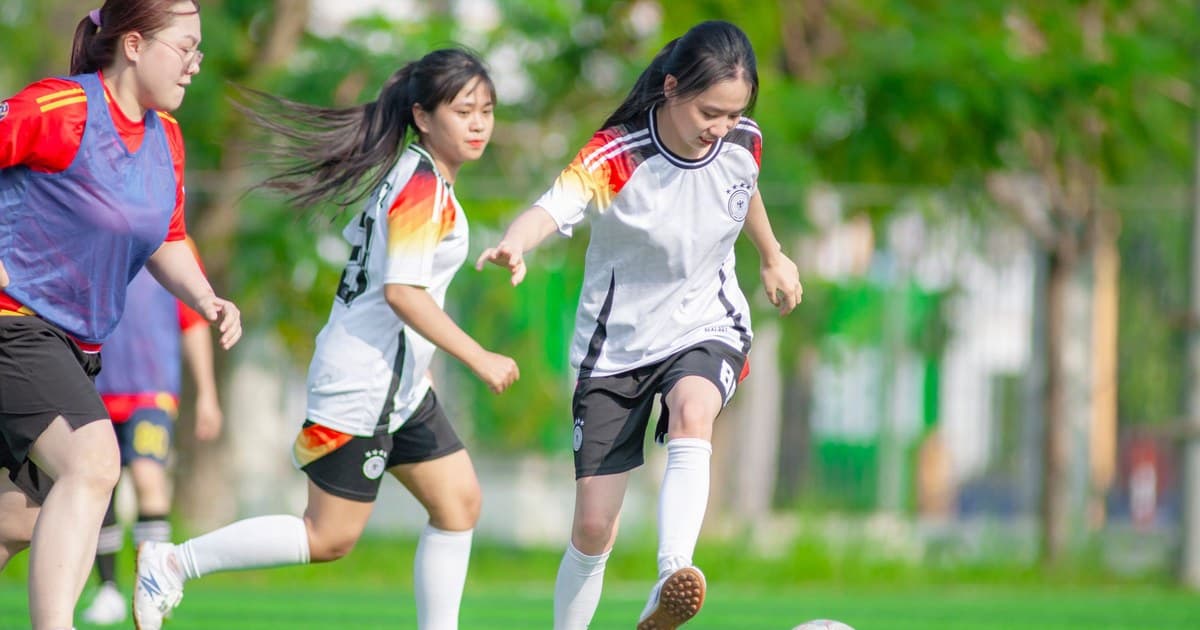
Structured activities have a regular schedule, an adult or coach in charge, and goals to work towards, such as a football team, a band, an art club or a volunteer group. They differ from hanging out aimlessly without adults around.
These activities give teens what they are looking for, including excitement, recognition and a sense of belonging, without relying on alcohol or drugs. They also reduce unsupervised free time, which is when opportunities to try substances often arise.
The U.S. National Institute on Drug Abuse (NIDA) states that early use of alcohol and other substances increases the likelihood of developing a substance use disorder later. Delaying the age of first use is therefore a key goal of prevention.
Applying the Icelandic Approach in a Thai Home
Invite your child to choose at least one activity they genuinely enjoy, such as sport, music, art, robotics or volunteering, and help them attend regularly. Letting them choose matters, because activities that are forced on teens rarely last.
Spend time with your child consistently, for example eating dinner together several days a week or doing something together at weekends. It does not need to cost much; what counts is real time together.
Get to know your child's friends and their parents, for example through the class parents' LINE group or by inviting friends over. When several families agree on similar rules, such as curfews, teens do not feel their home is the only strict one.
Agree on a clear curfew and know where your child is and who they are with, explaining that it is about safety, not distrust. Iceland itself has legal limits on when children can be out without an adult, and many parents worked together to support these rules.
Limitations to Keep in Mind
Iceland's success came from a nationwide effort, funding for activities and years of community cooperation. A single family can only do part of this, and no method can guarantee that a child will never try substances.
But family-level factors, such as knowing where your child is, time spent together and structured activities, are things parents can start right away, and NIDA states that parental monitoring and supervision are critical for drug abuse prevention.
If You Are Worried Your Child Has Started Using
If you notice worrying signs, do not wait for the problem to grow. You can call the 1165 drug treatment hotline or consult an addiction specialist. Petch Nava is a legally registered private drug treatment facility, and parents can call our specialist team for initial advice and guidance on suitable next steps. All information is kept confidential.
Frequently Asked Questions
What is the Icelandic Prevention Model?+
An approach to preventing teen substance use developed in Iceland from the late 1990s. It focuses on changing young people's environment, such as more time with parents, more structured activities and less late-night time out without adults, and uses regular student surveys to track results.
How much did Iceland reduce teen substance use?+
Among 10th graders from 1998 to 2018, being drunk in the past 30 days fell from 42% to 6%, daily smoking from 23% to 2%, and lifetime cannabis use from 17% to 6%.
Is putting my child in sport enough?+
Organised sport is one factor, but it works best combined with others, such as time with parents, knowing where your child is and who they are with, and knowing their friends. Other structured activities like music or art help too.
Can a single family apply this approach?+
Partly. Iceland's national success came from whole-community cooperation, but family-level factors such as monitoring, time together and supporting regular activities are things parents can start immediately.
Worried about substance use in your family? Talk to a specialist in confidence.
Free Preliminary Assessment | Petch Nava Hope Care
Sources
- Kristjansson et al. (2021). Testing risk and protective factor assumptions in the Icelandic Model of adolescent substance use prevention — Health Education Research
- Substance Use Among Youth — U.S. Centers for Disease Control and Prevention (CDC)
- DrugFacts: Lessons from Prevention Research — National Institute on Drug Abuse (NIDA)
- Adolescent Brain — National Institute on Drug Abuse (NIDA)