
Teens After the Floods: How Big Is the Risk of Alcohol and Drugs, and How Can Parents Help?
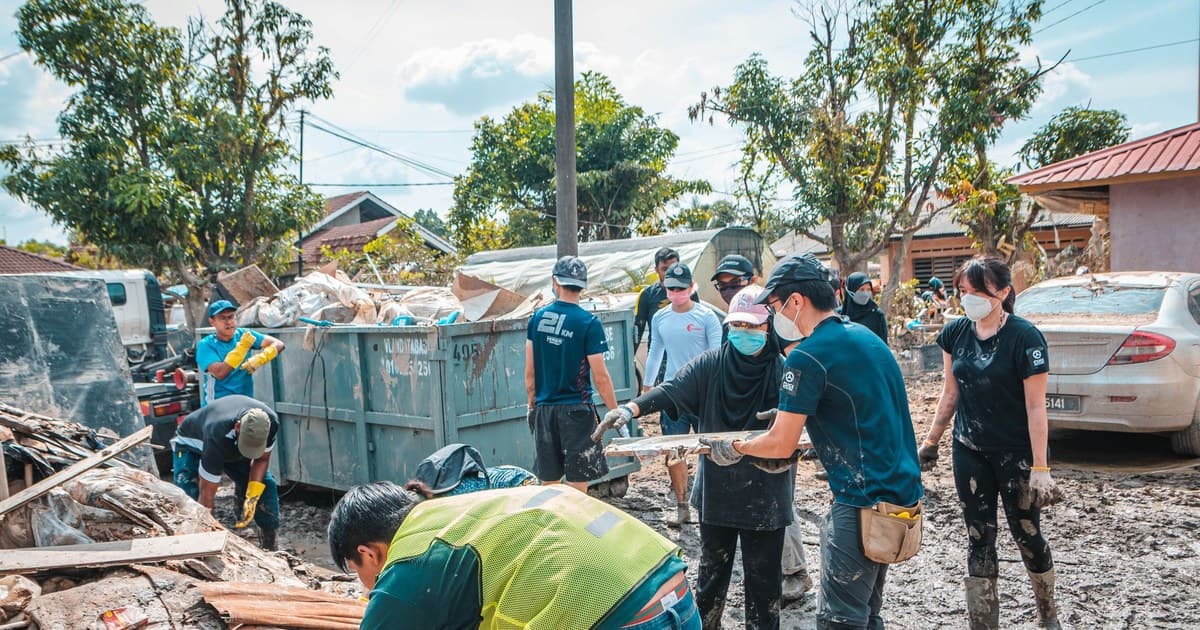
After the water recedes, adults tend to focus on repairing homes and restoring income, while teenagers may be out of school, staying with relatives, or left with more unsupervised free time than usual. This is when stress meets opportunity to try alcohol, e-cigarettes or drugs. This article summarises what research says about teens after disasters, the signs parents should watch for, and what families can do right away to protect their children.
Why Teens Need Extra Attention After a Flood
The teenage brain is still developing. SAMHSA's "Talk. They Hear You." guidance notes that the brain keeps developing through the mid-20s, so teens are more vulnerable to the effects of alcohol and drugs than adults. The U.S. National Institute on Drug Abuse (NIDA) states that early use of alcohol and other substances increases the likelihood of going on to use other drugs and of developing a substance use disorder.
After a flood, several risk factors arrive at once: schools close, routines disappear, busy parents can supervise less, some families move to shelters or unfamiliar communities, and teens themselves are stressed by loss but often do not talk about it.
What Research Says About Teens After Disasters
The PTTC Network's literature review on substance use and disasters concludes that disasters do not lead most people to start using substances, but those already at risk tend to use more. Studies it summarises found that adolescents who drank alcohol before a disaster were more likely to increase their drinking afterwards.
This means parents do not need to panic about every child, but should pay special attention to children who have tried drinking, smoking or other substances before, those whose friends use, and those who seem unusually stressed or withdrawn after the flood.
Signs Parents Should Watch For
Signs that a teen may have started using include major changes in sleep, unusual irritability or aggression, a sudden change of friends, secrecy about their phone and whereabouts, money or belongings going missing, the smell of alcohol or smoke, or frequent red eyes and drowsiness.
However, many of these signs may simply be reactions to post-flood stress and do not always mean drug use. Thailand's Department of Mental Health advises seeking professional help if stress, sadness or sleep problems have not improved after two weeks, whatever the cause.
What Parents Can Do Right Away
The U.S. Centers for Disease Control and Prevention (CDC) lists protective factors against teen substance use: family engagement and support, parents knowing where their children are and who they are with, parents clearly disapproving of substance use, and connection to school. Families can start on all of these even while home is not yet back to normal.
Start by restoring routines as soon as possible: bedtime, family meals and an agreed curfew. Give teens a meaningful role in rebuilding the home or community, such as helping with clean-up or joining volunteer activities, and help them get back to school and friends quickly.
Parents should also watch their own behaviour. If adults at home drink more to cope with flood stress, children learn that this is how to deal with problems. The CDC lists parental substance use as a risk factor for teens.
How to Talk Without It Becoming an Interrogation
SAMHSA recommends short but frequent conversations and listening more than talking. Try starting with feelings about the flood, such as "What's been the hardest part for you lately?" rather than asking outright "Have you been taking drugs?" When teens feel safe talking about stress, they are more willing to share other things too.
Make the family's position clear that alcohol and drug use are not acceptable at their age, and also that parents are always ready to help if they run into trouble. Clarity and warmth need to go together.
When to Seek Help
If your teen has been stressed or low for more than two weeks, call Thailand's mental health hotline 1323. If you suspect drug use, call the 1165 drug treatment hotline. For severe symptoms after substance use, such as unconsciousness, abnormal breathing or seizures, call 1669 immediately.
Petch Nava is a legally registered private drug treatment facility. Parents concerned about a family member's substance use can call our specialist team for initial advice and guidance on suitable next steps. All information is kept confidential.
Frequently Asked Questions
Do floods really make more teens use drugs?+
Research shows disasters do not lead most people to start using substances, but adolescents who drank before a disaster are more likely to drink more afterwards. Children who were already at risk deserve special attention.
My teen is irritable and can't sleep after the flood. Does that mean drug use?+
Not necessarily. These may be reactions to post-disaster stress. Look at them alongside other signs, such as a change of friends or missing money. If symptoms do not improve after two weeks, consult a professional or call 1323.
What should parents do first?+
Restore routines quickly, know where your teen is and with whom, eat meals together, give them a role in rebuilding, and state clearly that substance use is not acceptable. These are all protective factors identified by the CDC.
Who should I call if I suspect my child is using drugs?+
Call the 1165 drug treatment hotline or consult an addiction specialist. For severe symptoms after use, such as unconsciousness or seizures, call 1669 immediately.
Worried about substance use in your family after the floods? Talk to a specialist in confidence.
Free Preliminary Assessment | Petch Nava Hope Care
Sources
- Substance Use and Disasters: A Brief Review of the Literature — PTTC Network
- Substance Use Among Youth — U.S. Centers for Disease Control and Prevention (CDC)
- Adolescent Brain — National Institute on Drug Abuse (NIDA)
- "Talk. They Hear You." — Age-appropriate conversations about alcohol and other drugs, SAMHSA
- Department of Mental Health tips for coping with floods — Krungthep Turakij (Thai, 27 Sep 2026)
- Drug treatment hotline 1165 — Government Public Relations Department (Thai)