
How to Choose a Drug Rehab Centre? 10-Point Checklist and Essential Questions
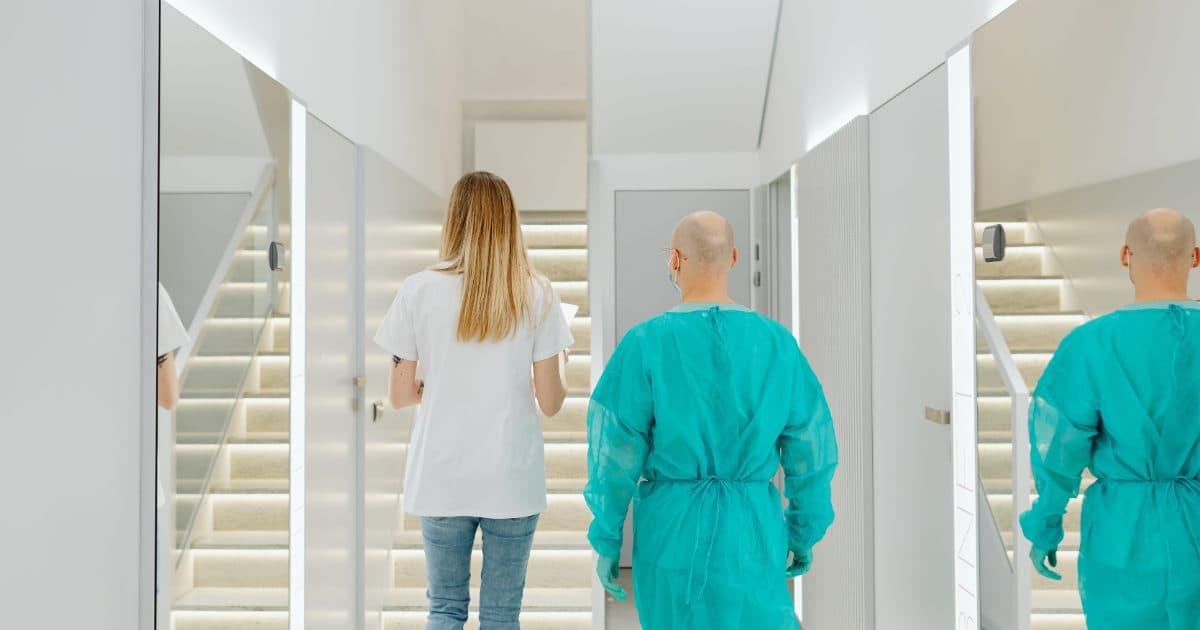
Selecting the right drug rehabilitation centre is one of the most critical health decisions for patients and their families. With diverse care models, facilities, and fee structures, choosing an appropriate facility requires evaluating beyond outward aesthetics. Families must verify statutory licensing, professional staffing, scientific clinical programs, safety measures, and comprehensive aftercare to ensure a sustainable recovery journey.
Understanding the Landscape of Treatment Facilities in Thailand
Rehabilitation facilities in Thailand vary widely, each possessing distinct operational characteristics:
- Public Institutions: Provide subsidized clinical detoxification but often face high patient volumes, limited bed availability, and constrained individualized counseling time.
- Community and Faith-Based Centres: Focus on spiritual discipline and moral re-education but frequently lack 24/7 medical and nursing staff for acute withdrawal complications.
- Accredited Private Centres: Emphasize holistic, multidisciplinary care, superior staff-to-patient ratios, absolute privacy, serene resort-style settings, and international psychotherapy standards.
10-Point Quality Checklist for Evaluating Rehabilitation Facilities
- 1. Statutory Licensing: Verify official registration and operating permits issued by the Ministry of Public Health under relevant healthcare facility statutes.
- 2. Multidisciplinary Clinical Team: Ensure round-the-clock registered nurses, licensed physicians, clinical psychologists, and certified addiction specialists are present on-site.
- 3. Individualized Clinical Assessment & Dual Diagnosis: Thorough pre-admission screening of physical vitality, psychological state, and co-occurring psychiatric conditions (depression, anxiety).
- 4. Privacy, Safety, and Data Protection: Robust physical security, contraband screening, and strict compliance with personal data protection laws to safeguard patient reputation.
- 5. Evidence-Based Therapeutic Interventions: Scientifically verified modalities including Cognitive Behavioral Therapy (CBT), the Matrix Model, and Mindfulness-Based Relapse Prevention (MBRP), strictly prohibiting punitive methods.
- 6. Serene and Restorative Environment: Clean, spacious, nature-oriented settings physically separated from past environmental triggers, supporting nervous system healing.
- 7. Transparent, All-Inclusive Fee Structure: Upfront clarity covering accommodation, meals, nursing oversight, medical care, and counseling without hidden surcharges.
- 8. Medical Nutrition and Physical Recovery: Nutrient-dense culinary programs to restore neurotransmitter synthesis, complemented by restorative physical fitness facilities.
- 9. Systemic Family Therapy Programs: Provision of guided family counseling to resolve domestic conflict and foster positive interpersonal communication.
- 10. Comprehensive Aftercare Support: Ongoing post-discharge follow-up for 6 to 12 months, providing regular counseling and peer recovery networks.
Critical Red Flags of Unaccredited Facilities
Families should immediately avoid facilities exhibiting these danger signs:
- Making unrealistic medical promises or claiming total permanent cures—substance dependency is a chronic medical disorder where such claims are clinically deceptive.
- Inability to present verified Ministry of Public Health licenses or medical staff credentials.
- Utilization of verbal humiliation, forced physical labor, or corporal punishment.
- Overcrowded living spaces and prolonged restrictions barring all family communication.
- Opaque billing structures with unexpected escalating fees.
Essential Legal and Service Documentation to Review
Before committing financial deposits, families must examine formal agreements:
- Comprehensive Service Agreement outlining patient rights, care scope, and refund policies.
- Informed Consent documentation clarifying medical interventions, detox medication protocols, and health procedures.
- Written Emergency Protocol specifying affiliated acute-care hospitals and immediate ambulance dispatch arrangements.
Essential Inquiries to Present Before Enrollment
Families should directly ask intake staff:
- What is the detailed daily clinical schedule of therapy sessions and physician consultations?
- What specific emergency protocols and hospital transfer arrangements are established?
- What is the exact family communication and visitation policy during residency?
- How long does post-discharge aftercare continue, and are additional fees required?
Frequently Asked Questions
What official licenses should families verify?+
Check for official healthcare facility or registered substance rehabilitation licenses issued by the Ministry of Public Health.
Is 24/7 medical or nursing coverage required?+
Residential centres managing detox or acute withdrawal must maintain round-the-clock registered nursing coverage and physician oversight.
Why is an aftercare program critical for sustained recovery?+
The highest risk of relapse occurs in the first 3 to 6 months post-discharge. Aftercare provides guidance and emotional stability during community reintegration.
Have questions about our standards or wish to tour Petch Nava Hope Care? Contact our intake team today.
Schedule a Facility Tour