
Addiction as a Brain Disease: Understanding the True Mechanism
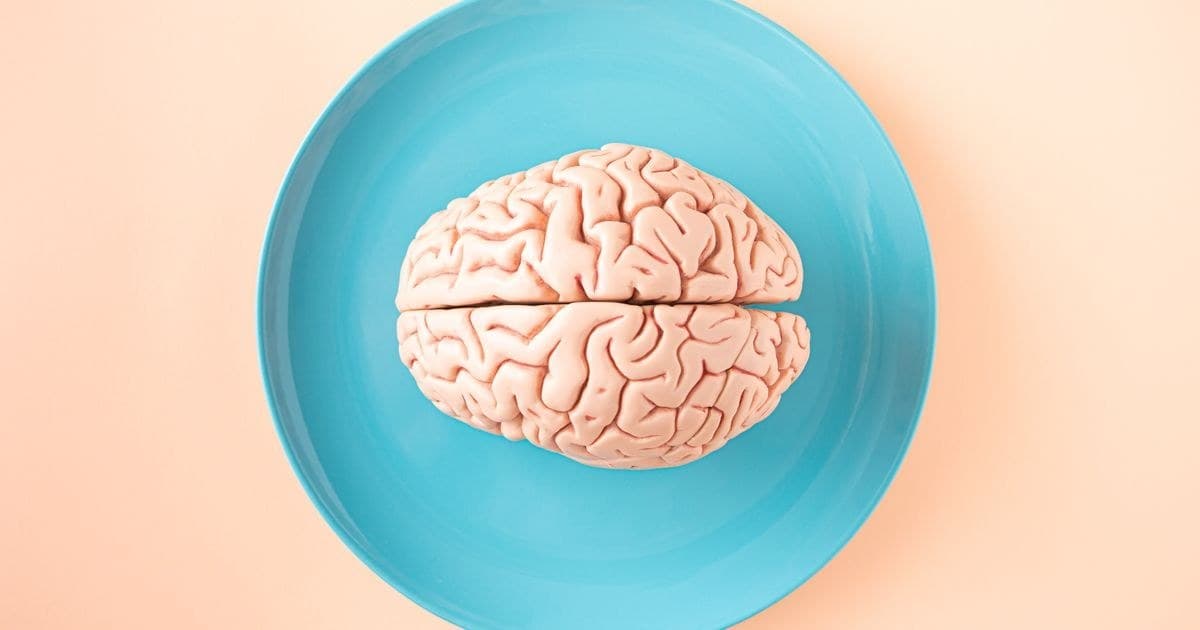
Addiction is not simply a matter of psychological weakness. It is a condition in which the brain undergoes changes at both the structural and functional level. Understanding this mechanism helps families view the problem with more understanding rather than blame.
How Addictive Substances Affect the Brain
Most addictive substances work by stimulating the brain's reward system, triggering the release of dopamine at levels far higher than normal. With repeated use, the brain adapts by naturally reducing its sensitivity to dopamine, causing the person to feel numb to everyday sources of pleasure and to need increasing amounts of the substance to achieve the same effect.
This change does not occur only in the areas related to pleasure, but also affects the parts of the brain that control memory, learning, and motivation. As a result, a person can unknowingly and easily associate certain situations or people with cravings to use.
Why Willpower Alone Makes Quitting Cold Turkey So Difficult
Once the brain has been altered in this way, self-control through reasoning alone becomes far harder than most people realize, because the areas of the brain responsible for decision-making and impulse control are affected as well. This is why addiction is classified as a medical condition that requires a systematic treatment process, not simply personal willpower.
This understanding is especially important for families, because viewing the person as "lacking willpower" or "not trying hard enough" often adds more pressure and guilt for the person in treatment, which can harm the recovery process more than expected.
The Good News: The Brain Can Recover
Although addiction changes how the brain functions, the brain also has the capacity to adapt back through neuroplasticity, given appropriate treatment and enough time. This process requires both time and consistent treatment; it cannot happen overnight.
Petch Nava's Approach
Petch Nava's recovery process is therefore designed to comprehensively address physical, psychological, and behavioral rehabilitation, giving the brain and life of each person in treatment the opportunity to return to normal again.