
Petch Nava Hope Care Clinical Team: 24/7 Multidisciplinary Addiction Care
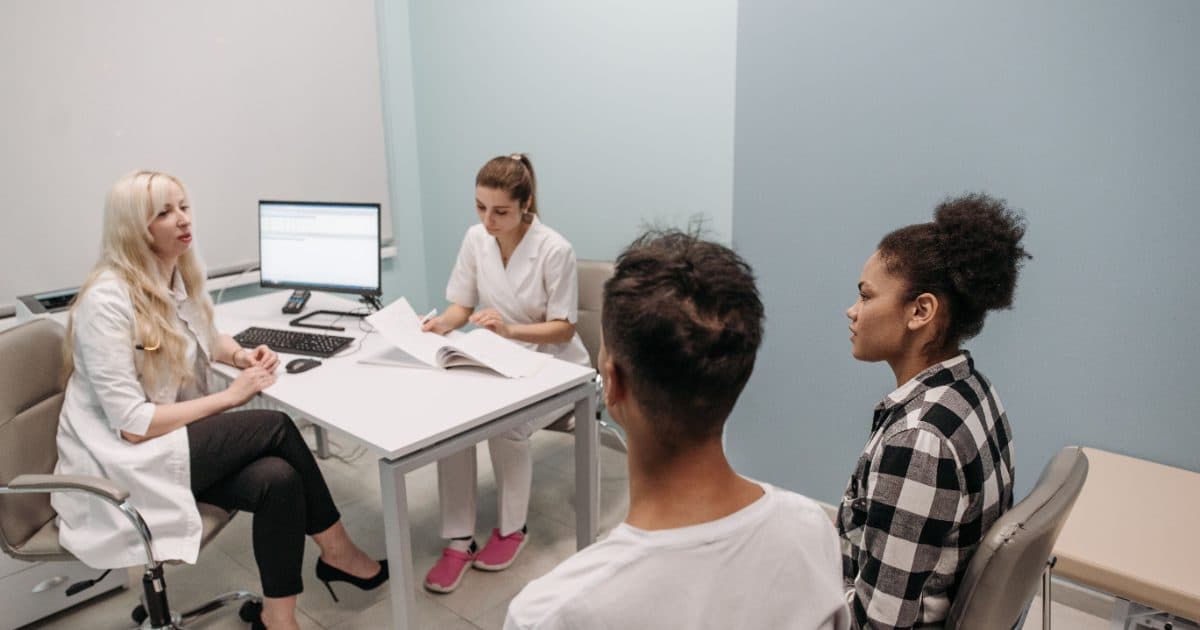
Overcoming substance dependence is an intricate health journey requiring far more than acute physical detox. Because addiction impacts neurobiology, cognition, emotions, and family systems, sustainable recovery demands a coordinated 24/7 Multidisciplinary Team (MDT). Petch Nava Hope Care unites addiction physicians, psychiatrists, round-the-clock registered nurses, clinical psychologists, and holistic therapists.
Why Multidisciplinary Addiction Care (MDT) is Essential: The Biopsychosocial Model
Treating the whole person: Physical bodies need medical detoxification, psychological minds require trauma resolution, and family systems need boundary repair.
Preventing risks of Dual Diagnosis: Over 50% of individuals with substance use disorders experience co-occurring depression, anxiety, or PTSD requiring integrated psychiatric care.
Continuous 24-hour medical safety: Physiological withdrawal fluctuations and emotional vulnerabilities can occur at any hour, demanding constant registered nursing vigilance.
Addiction Medicine Physicians and Psychiatrists
Comprehensive clinical diagnostics and individualized care planning based on substance use history and metabolic biomarkers.
Evidence-based pharmacotherapy to alleviate acute withdrawal symptoms, reduce cravings, and rebalance neurotransmitters.
Weekly psychiatric consultations and dynamic medication adjustments as cognitive clarity returns.
24/7 Registered Nursing Care and Withdrawal Monitoring
Regular physiological vital signs monitoring utilizing standardized clinical withdrawal scales (CIWA and COWS).
Strict medication administration, side-effect surveillance, and immediate advanced clinical triage.
Empathetic nighttime reassurance and psychological grounding during vulnerable evening hours.
Licensed Clinical Psychologists and Evidence-Based Psychotherapy
Intensive one-on-one Cognitive Behavioral Therapy (CBT) and Motivational Interviewing (MI) to deconstruct deep-seated addictive behaviors.
Trauma-informed care addressing historical emotional wounds, grief, and childhood trauma driving substance use.
Systemic family therapy facilitating open communication and dismantling codependent behaviors.
Occupational and Expressive Arts Therapists
Life skills re-education: Establishing healthy daily routines, sleep hygiene, and personal self-care.
Creative arts and music therapy: Providing non-verbal emotional expression channels to process complex feelings.
Mindfulness and somatic regulation: Breathing exercises, progressive muscle relaxation, and sensory grounding.
Certified Recovery Coaches and Peer Support Specialists
Empathetic guidance rooted in authentic lived recovery experience, fostering deep mutual trust.
Serving as living proof that a joyful, fulfilling sober life is achievable.
Providing non-judgmental daily companionship throughout the therapeutic continuum.
Clinical Nutritionists and Physical Conditioning Specialists
Neuro-restorative nutritional protocols designed to replenish amino acids, heal the gut-brain axis, and enhance natural dopamine production.
Low-impact cardiovascular conditioning, waterfront yoga, and swimming pool hydrotherapy to restore physical vigor.
Daily Coordinated Clinical Case Conferences (MDT Huddle)
Every morning, physicians, nurses, psychologists, and activity coordinators convene to review vital trends, sleep data, and therapy insights, dynamically refining each client's individualized care plan.
Medical Ethics and Human Dignity: A Zero-Stigma Culture
Non-judgmental clinical empathy: We view addiction as a treatable health disorder, strictly rejecting moral judgment or punitive attitudes.
Respectful positive communication that validates personal worth and inspires genuine hope.
Absolute zero-tolerance policy against physical restraint, isolation, or verbal disrespect.
Frequently Asked Questions
How does the clinical team respond to overnight withdrawal crises?+
Registered nurses remain on-site 24/7 monitoring vitals, supported by on-call addiction physicians and rapid transfer protocols with regional hospitals within 10 to 15 minutes.
How often do clients consult with the attending psychiatrist?+
Clients receive an initial comprehensive evaluation followed by weekly scheduled psychiatric reviews, with additional consultations arranged as clinically indicated.
Can families consult directly with the clinical psychologists?+
Yes. Structured family conferences and therapy sessions are conducted in-person or via secure tele-health to align recovery support.
How are staff trained to handle agitation or emotional distress?+
All clinical personnel are extensively certified in trauma-informed care and verbal de-escalation protocols, emphasizing emotional grounding and clinical safety.
Having an empathetic, highly specialized team by your side is crucial for lasting recovery. Contact the multidisciplinary specialists at Petch Nava Hope Care 24/7.
Speak with Our Clinical Experts