
Floods: How Should People With Drug or Alcohol Problems Prepare? A Checklist to Keep Treatment on Track
The key points: get medication and treatment information ready before the water arrives, know how to reach the treatment team and emergency numbers, don't stop medication or drinking abruptly on your own, and plan ahead in case you need to evacuate. Thailand's Department of Mental Health advises patients and families to check their medications and keep enough on hand, rather than waiting until supplies run low. This article turns that into a checklist families can follow right away.
Why Interrupted Treatment During a Flood Is Dangerous
Disasters often disrupt treatment services and access to medication -- because travel is impossible, health facilities are affected, or people have to move elsewhere. For someone in treatment, missing medication, missing follow-up, and losing the people who were helping them all raise the risk of relapse.
For people who drink regularly, suddenly running out of alcohol because of a flood is dangerous too. Thailand's Department of Mental Health warns that stopping abruptly without medical supervision can cause tremors, sweating, and anxiety, and in severe cases hallucinations or seizures.
Checklist Before the Water Arrives
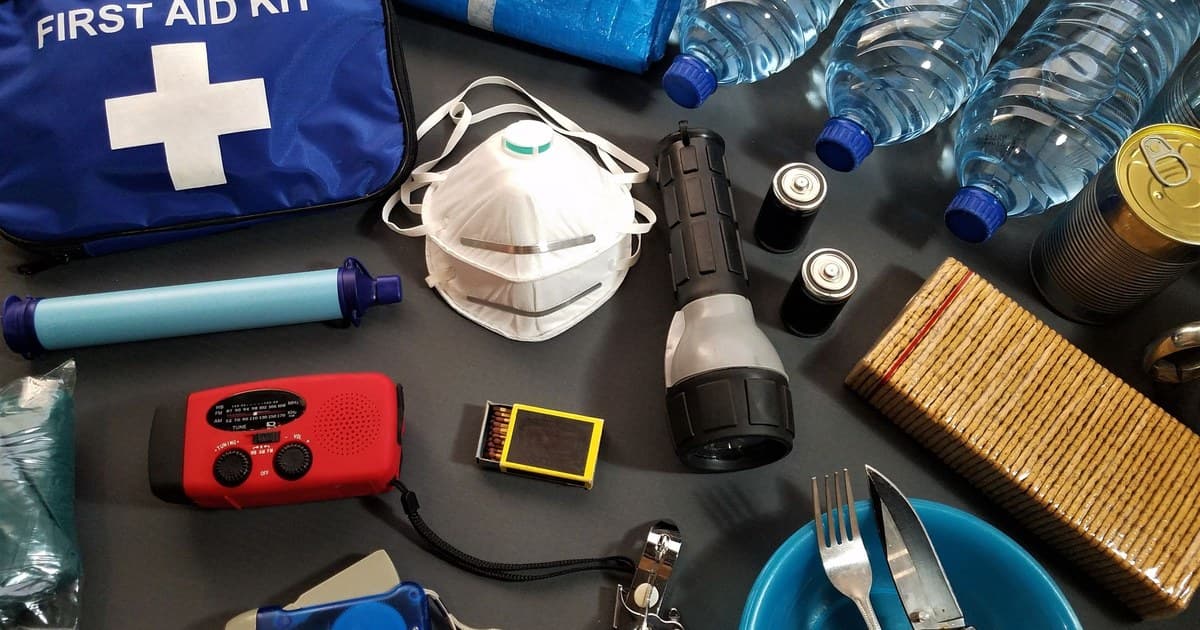
Enough prescribed medication for at least several days to a week, kept in a waterproof bag together with a list of medication names and doses; copies of ID cards, appointment cards, or treatment documents; and a power bank for your phone.
Write important phone numbers on paper and keep them in the same bag: the treatment team or health facility providing care, the DDPM disaster hotline 1784, emergency medical services 1669, the mental health hotline 1323, and the drug treatment hotline 1165. Also agree as a family on who will look after whom if you have to evacuate separately.
If You Have to Evacuate to a Shelter
If ongoing medication is needed, tell the public health staff or health volunteers running the shelter only what is necessary for care. A person's health information is protected as confidential under Section 7 of Thailand's National Health Act B.E. 2550 (2007).
Try to stay close to family, keep sleep and meal times as regular as possible, and watch out for situations that could be triggers, such as group drinking in the shelter.
Symptoms That Need Urgent Hospital Care
If there are seizures, confusion, hallucinations, loss of consciousness, abnormal breathing, chest pain, or talk of self-harm, call 1669 immediately. Don't wait and see or try to manage it at home.
For milder withdrawal symptoms such as insomnia, irritability, or restlessness, contact the treatment team or a nearby health facility for advice. And if stress or distress continues for more than two weeks, the Department of Mental Health recommends seeing a doctor.
If You Can't Reach Your Usual Health Facility
The Department of Mental Health advises that if you can't travel to your usual hospital, contact a nearby health facility in advance and bring your ID card, medication list, and treatment history so care can continue.
If medicine gets wet in floodwater, the U.S. Food and Drug Administration (FDA) advises discarding medicines that have come into contact with floodwater or unsafe water, even in closed containers, and getting a replacement from a health facility -- except for life-saving medicines with no replacement readily available, which may be used if they appear unchanged.
How Petch Nava Can Help
Petch Nava is a legally registered private drug treatment facility. Families can call us for advice on caring for someone in treatment or newly in recovery during the floods. All information is kept confidential.
Note: This article is general information, not individual medical advice. Any change to or stopping of medication should be done under a doctor's guidance.
Frequently Asked Questions
Can I still use medicine that got wet in floodwater?+
The FDA advises discarding medicine that has come into contact with floodwater or unsafe water, even in closed containers, and getting a replacement from a health facility -- except for life-saving medicine with no replacement yet available, which may be used if it appears unchanged. Contact a doctor as soon as possible in the meantime.
Someone at home drinks every day and can't get alcohol because of the flood. Is that dangerous?+
It can be. Stopping suddenly after regular drinking can cause alcohol withdrawal, from tremors, sweating, and anxiety to hallucinations or seizures. If symptoms are severe, call 1669 immediately, and consult a doctor about stopping safely.
Should we tell shelter staff that someone is in drug treatment?+
Tell only the public health staff providing care, and only what is necessary for treatment, such as ongoing medication. A person's health information is protected as confidential under Section 7 of Thailand's National Health Act B.E. 2550.
Not sure how to care for someone in treatment during the floods? Get free, confidential advice from our experts.
Free Preliminary Assessment | Petch Nava Hope Care
Sources
- Department of Mental Health flood advisory: stock up on psychiatric medication, watch for alcohol withdrawal — THE STANDARD (Thai, 27 Sep 2026)
- Department of Mental Health tips for coping with floods — Krungthep Turakij (Thai, 27 Sep 2026)
- Safe Drug Use After a Natural Disaster — U.S. Food and Drug Administration (FDA)
- SAMHSA Disaster Technical Assistance Center — Supplemental Research Bulletin: People With Substance Use Issues and Conditions and Disasters (2024)
- Section 7, National Health Act B.E. 2550 — National Health Commission Office (Thai)
- DDPM disaster hotline 1784 — Royal Thai Government (Thai)
- Drug treatment hotline 1165 — Government Public Relations Department (Thai)