
What is a Drug Rehabilitation Centre? How to Choose the Right One for Your Loved One
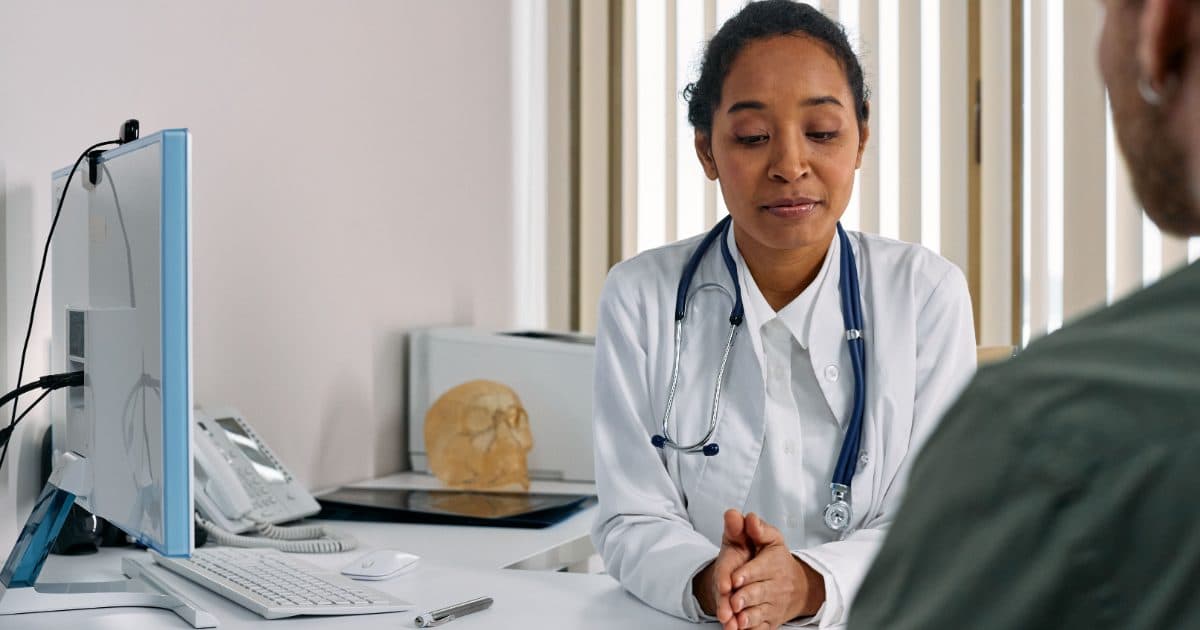
A drug rehabilitation centre is a specialized healthcare facility and service designed to systematically assess, support, and rehabilitate individuals experiencing substance use disorders. Rather than focusing solely on short-term abstinence, it encompasses physical recovery, psychological healing, and essential life skills training to reduce the risk of relapse. Various levels of care are available today to suit the severity, physical health, and readiness of each individual.
What is a Drug Rehabilitation Centre?
A drug rehabilitation centre is an evidence-based facility operated by trained professionals. The U.S. National Institute on Drug Abuse (NIDA) and the World Health Organization (WHO) state that addiction is a chronic brain disorder that alters brain function and long-term behavior. Therefore, care at a rehab centre is not about confinement or punishment, but about providing structured medical support and psychosocial rehabilitation.
Core functions of a drug rehabilitation centre include:
- Assessing overall health and the severity of substance use.
- Providing safe, supervised withdrawal management by medical professionals.
- Cognitive and behavioral realignment through positive psychological approaches.
- Creating a safe, trigger-free environment conducive to recovery.
- Preparing patients and their families for sustainable reintegration into society.
Who May Need Rehabilitation?
Care at a rehabilitation centre is not limited to severe cases, but is beneficial for anyone exhibiting early medical and behavioral warning signs, including:
- Individuals unable to stop or reduce substance use independently despite multiple attempts.
- Those experiencing physical health impacts such as chronic insomnia, fatigue, or withdrawal symptoms upon stopping.
- Those whose substance use is negatively affecting work, education, or family relationships.
- Individuals experiencing mood swings, anxiety, or co-occurring depression.
- Families observing behavioral changes in a loved one and seeking guidance without creating conflict.
General Treatment and Recovery Process
Evidence-based treatment guidelines from WHO/UNODC and Thailand's National Institute on Substance Abuse Treatment and Rehabilitation (PMNIDAT) follow 3 primary stages:
- Physical and Psychological Assessment: A comprehensive evaluation of substance history, physical health, mental health, and social background by specialists to create an individualized treatment plan tailored to each patient's specific needs.
- Physical and Mental Rehabilitation: The core of long-term recovery, combining physical rebalancing, individual and group therapy, Cognitive Behavioral Therapy (CBT), and holistic activities (sports, art therapy, mindfulness) to build coping skills for stress without relying on substances.
- Aftercare and Ongoing Support: Recovery extends beyond program completion. Regular follow-up sessions, family counseling, and recovery support networks help prevent relapse and ensure a smooth reintegration into work and society.
How Families Can Take the First Step
Family understanding and support are vital in helping a loved one seek treatment. If you notice a family member struggling with substance use, we recommend taking these initial steps:
- Openly communicate with care and empathy, avoiding judgment, anger, or stigma.
- Gather information on legally registered treatment facilities with verified safety standards.
- Contact official hotlines or specialists (such as the 1165 Drug Helpline or 1323 Mental Health Hotline).
- Consult with the rehabilitation team in advance to plan a gentle, supportive intervention.
Frequently Asked Questions
How does a rehab centre differ from a general hospital?+
General hospitals handle emergency medical care and short-term detoxification. Rehab centres focus on long-term psychological recovery, behavioral adaptation, and life skills in a peaceful, supportive environment.
When should someone seek rehabilitation?+
Rehabilitation should begin as soon as substance use affects health, relationships, or daily life. Early intervention significantly improves long-term recovery outcomes.
How many days does rehabilitation take?+
Treatment length varies based on severity and substance type, ranging from short-term 7–14 day conditioning programs to 28-day standard transformation programs or 3-month long-term recovery programs.
How can families participate in the recovery process?+
Families can join treatment planning, participate in family therapy, learn healthy communication techniques, and provide emotional support during aftercare.
Not sure how your loved one should begin recovery? Contact us for a free, confidential consultation.
Free Preliminary Assessment | Petch Nava Hope Care