
What is Drug Rehab? Understanding Holistic Recovery Beyond Simply Quitting Substances
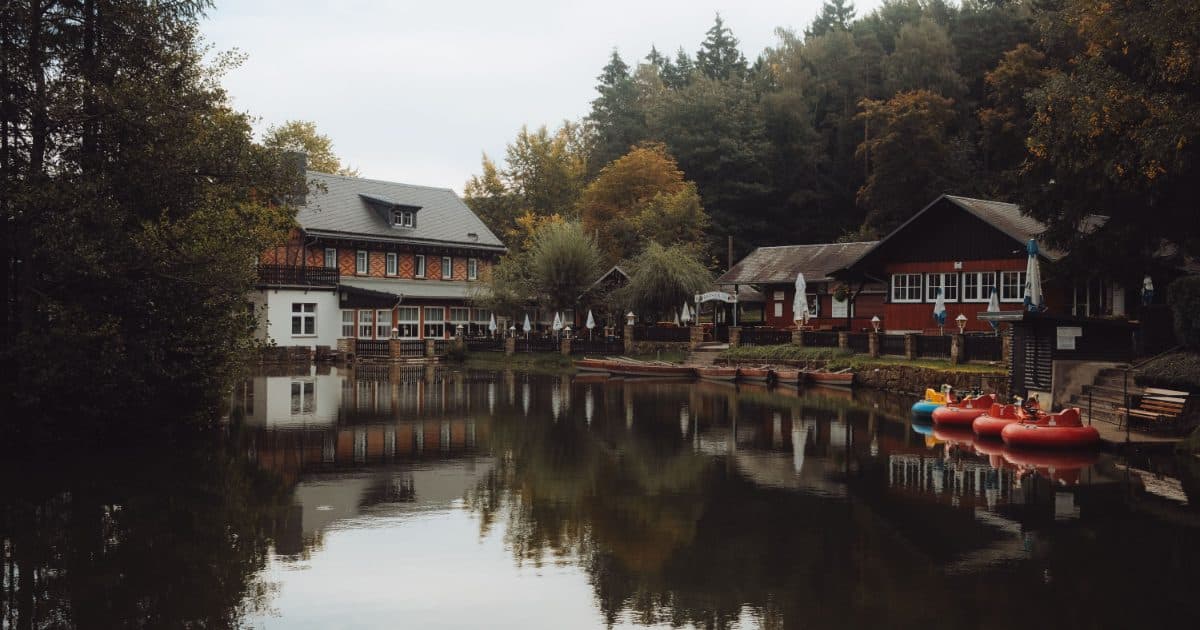
Drug rehab is a specialized therapeutic rehabilitation center delivering comprehensive, holistic care spanning physical health restoration, psychological therapy, behavioral modification, and social reintegration. Entering rehab goes far beyond merely discontinuing drug use; it empowers individuals to build a fulfilling, resilient, and dignified life.
Definition and Evolution of Rehabilitation in Addiction Medicine
Rehab stands for rehabilitation, representing multi-dimensional functional restoration rather than mere chemical detoxification.
Modern addiction medicine treats substance use disorders as complex brain conditions requiring comprehensive life skills re-education.
Punitive Detentions vs Evidence-Based Therapeutic Rehabilitation
Punitive boot camps utilize harsh labor, humiliation, and physical punishment, resulting in psychological trauma and high recidivism.
Accredited therapeutic rehab centers prioritize human dignity, trauma-informed counseling, emotional safety, and intrinsic recovery motivation.
The Biopsychosocial-Spiritual Model of Holistic Healing
Biological care integrates safe clinical detox, neuro-nutrition, physical fitness, and medical stabilization.
Psychological interventions deploy CBT, Acceptance and Commitment Therapy (ACT), and emotional regulation skills.
Social healing restores communication, healthy boundary setting, and systemic family counseling.
Spiritual discovery nurtures purpose, self-forgiveness, and inner peace beyond formal dogma.
Core Pillars of Internationally Accredited Rehab Facilities
Hold official healthcare licenses adhering to Ministry of Public Health rehabilitation standards.
Staffed by multidisciplinary clinical teams including physicians, nurses, clinical psychologists, and certified recovery coaches.
Maintain strict 24/7 medical safety protocols, robust privacy safeguards, and peaceful, distraction-free healing environments.
A Typical Day in Modern Holistic Rehabilitation
Mornings integrate riverside mindfulness, nutritious dining, and daily intention setting.
Daytime hours encompass individual psychotherapy, group CBT workshops, creative therapies, and physical conditioning.
Evenings focus on communal dinners, reflective journaling, and peaceful rest.
Rebuilding Vital Life Skills and Reintegration Readiness
Master financial budgeting, effective time management, workplace conflict resolution, and actionable Relapse Prevention Plans (RPP).
Suitability Criteria: Who Benefits Most from Residential Rehab?
Individuals with recurring outpatient relapses, heavily triggered domestic environments, and co-occurring dual diagnosis conditions thrive in residential sanctuaries.
The Riverside Nature-Based Healing Philosophy at Petch Nava Hope Care
Petch Nava Hope Care is situated alongside the tranquil Phetchaburi River, harmonizing nature therapy, family warmth, customized clinical programs, and dedicated post-discharge mentorship.
Frequently Asked Questions
How long does a typical rehabilitation program take?+
Standard evidence-based programs range from 28, 60, to 90 days or longer depending on clinical severity and individual recovery pacing.
Will entering rehab result in a criminal record?+
Absolutely not. Voluntary admission to private healthcare rehabilitation facilities is strictly protected by patient confidentiality laws.
Can clients communicate with family members during their stay?+
Yes. Facilities provide structured phone call schedules and family visitations aligned with clinical treatment milestones.
How can one maintain long-term recovery following rehab graduation?+
Through comprehensive aftercare programs, outpatient check-ins, sober peer support networks, and ongoing family communication.
If you or your loved one are seeking compassionate, world-class residential rehabilitation, contact Petch Nava Hope Care for confidential 24/7 consultations.
Consult Our Rehabilitation Team